Landforms and Water Bodies - Major mountain ranges
Prepare smarter with AI-powered practice questions, study guides, and exam prep tools. This mini test is generated by TurinQ.com’s AI Question Generator and offers a smart, focused approach to mastering complex topics for curious learners.
Landforms and Water Bodies: Major Mountain Ranges
The Earth’s surface is shaped by a variety of landforms and water bodies, each playing a crucial role in the planet’s geography, climate, and ecosystems. Among these, major mountain ranges stand out as powerful natural features that influence both the physical environment and human activity.
Mountain ranges are long chains or groups of mountains formed by tectonic forces such as the collision or movement of Earth’s plates. These geological giants are not only breathtaking in appearance but also vital for understanding Earth’s structure and environmental patterns.
Some of the most significant mountain ranges in the world include:
The Rockies (North America): Stretching from Canada to the southwestern United States, the Rocky Mountains impact weather patterns and serve as a major source of freshwater.
The Andes (South America): The world’s longest continental mountain range, running along the western edge of South America, influencing climate and biodiversity.
The Himalayas (Asia): Home to the world’s highest peaks, including Mount Everest, they form a natural barrier that affects monsoon patterns and river systems.
The Alps (Europe): Renowned for their scenic beauty and role in European history and culture, the Alps also serve as a key water source.
The Atlas Mountains (Africa): Located in the northwest of the continent, they affect the Sahara Desert’s expansion and regional climate.
Mountain ranges are also essential in forming rivers, storing snow and ice, and supporting diverse ecosystems. They shape how people live — influencing agriculture, travel, and even cultural development.
Understanding major mountain ranges is a foundational step in grasping broader geographic and environmental concepts. With tools like AI-powered quizzes on TurinQ.com, students can deepen their knowledge through smart, focused learning experiences tailored to physical geography.
Study Smarter with TurinQ
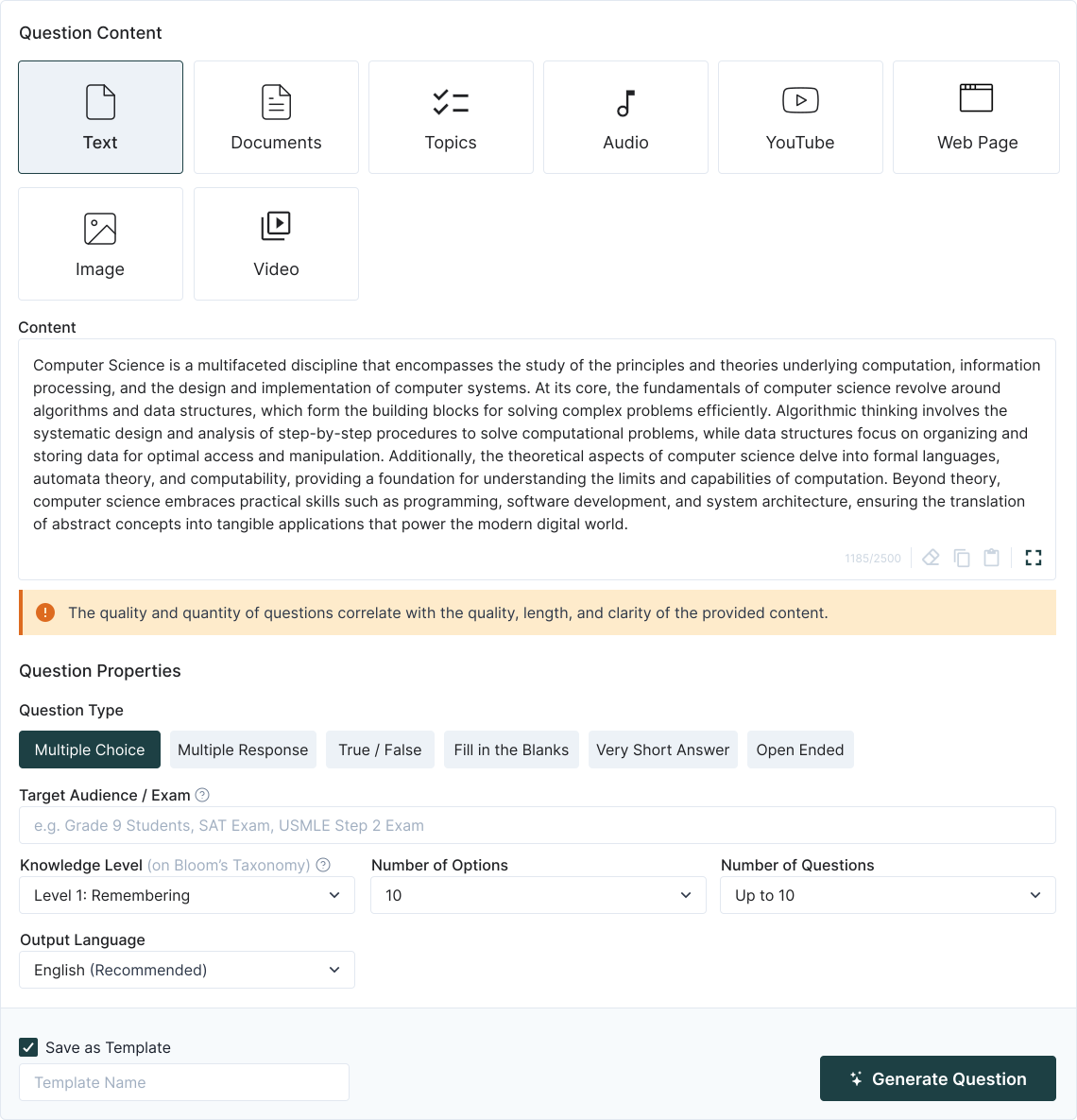
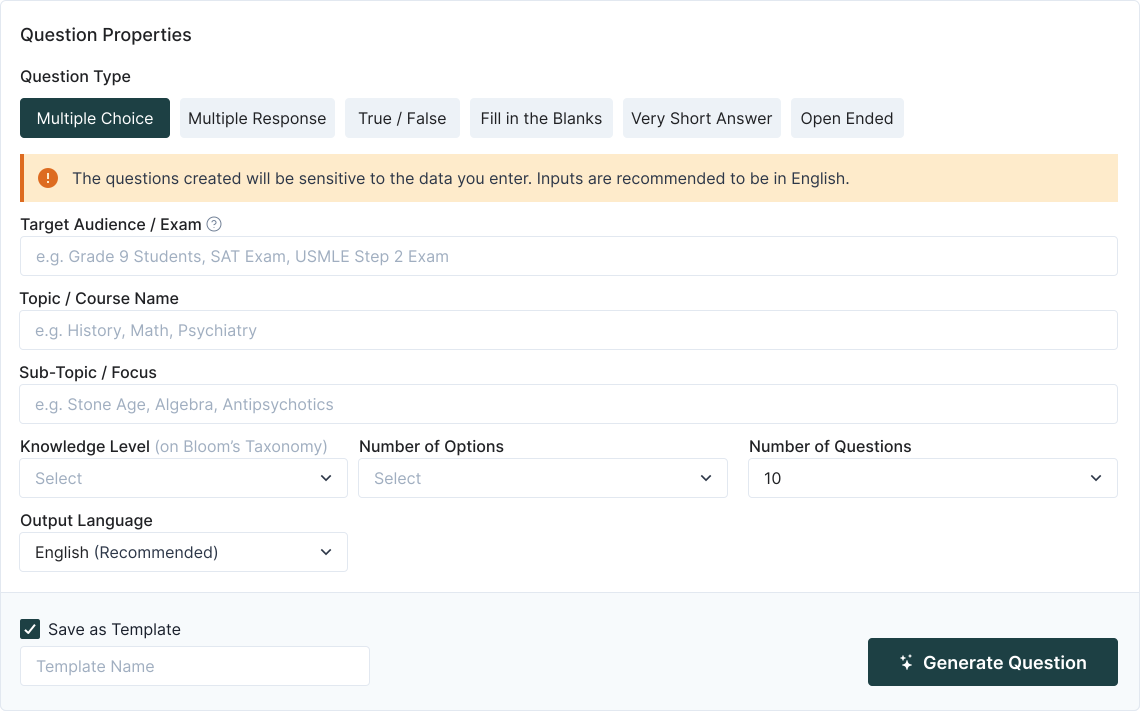
TurinQ.com offers AI-powered tools that make studying easier and more personalized. You can create custom quizzes and practice tests tailored to U.S. climate zones and vegetation. With instant feedback and smart question generation, TurinQ helps you focus on what matters most to prepare confidently for your exams.
Frequently Asked Questions
What is a mountain range?
A mountain range is a series of mountains connected by high ground, typically formed by tectonic activity such as the collision of Earth’s plates.
How are mountain ranges formed?
Most mountain ranges are formed by the movement of tectonic plates. When two plates collide, they push the Earth’s crust upward, forming mountains.
Why are mountain ranges important?
Mountain ranges influence climate, serve as water sources, support biodiversity, and shape human settlement, culture, and agriculture.
Do I need to upload study content to use TurinQ?
No! With TurinQ’s Smart Generated feature, you can create high-quality questions without uploading any material—just select your target, topic, and knowledge level.
How accurate are the AI-generated questions?
While no AI system guarantees 100% accuracy, TurinQ has received positive feedback from over 50,000 users worldwide, with 92.4% expressing satisfaction with the generated questions. The platform continuously improves its algorithms to ensure high-quality, pedagogically sound assessments.
What content types can TurinQ process?
TurinQ supports an impressive range of content sources:
Text documents and articles
Videos and audio recordings
Handwritten notes
Web pages and images
No content at all (using the Smart Generated feature)
Who is TurinQ designed for?
TurinQ serves multiple user groups including educators, corporate trainers, HR professionals, students, and online learning platforms. The tool’s flexibility makes it suitable for creating assessments across educational levels and professional training contexts.